Electronics
As an Amazon Associate we earn from qualifying purchases.
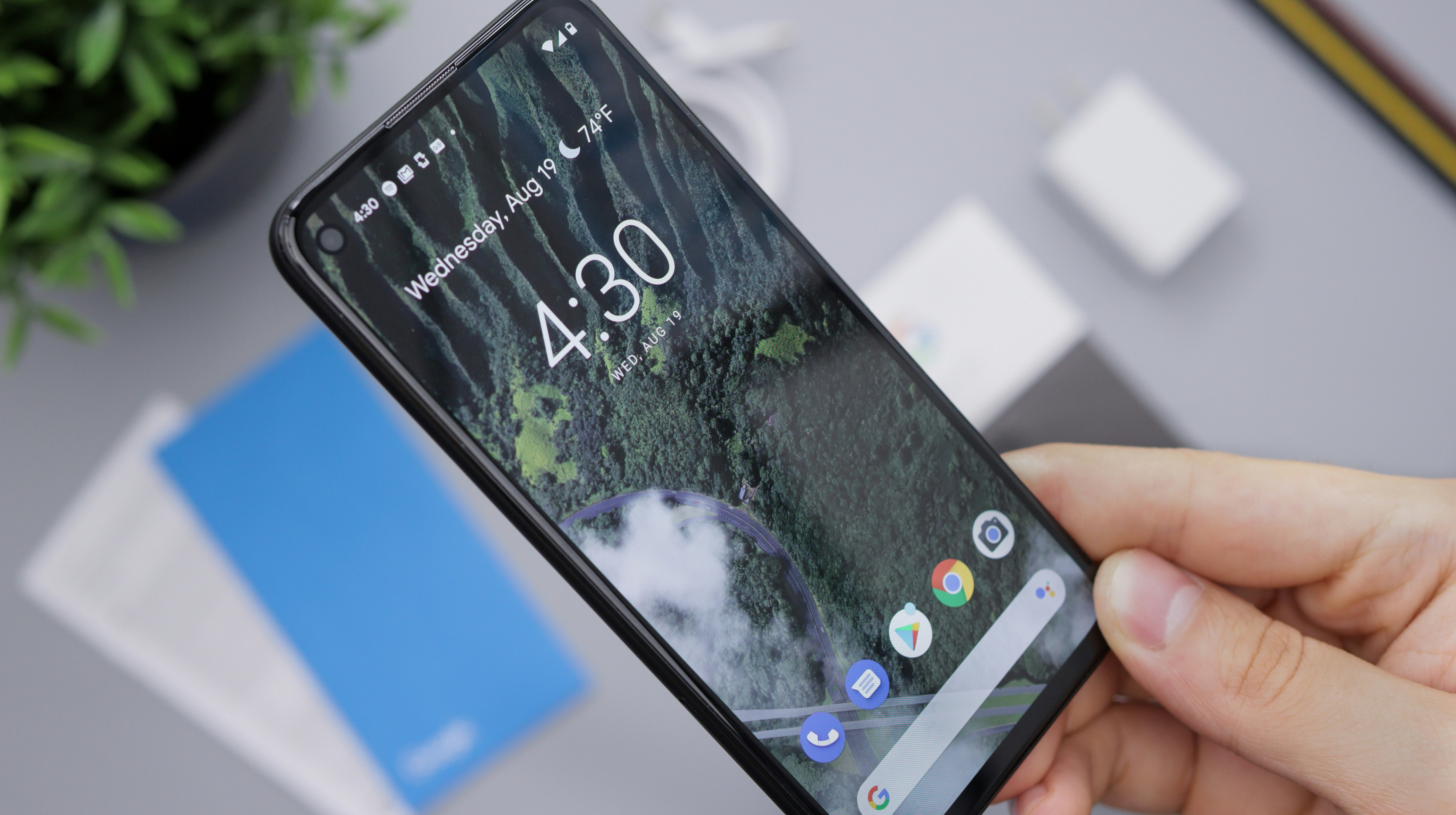
The budget smartphone segment has quietly become the most competitive in tech. Phones under $400 today match what $800 flagships offered just three years ago — AMOLED displays, seven-year software updates, 200MP cameras, 100W+ charging. We tested ten phones over six weeks across daily use, photography, gaming, and long-term software commitment. Quick-picks first, detailed breakdowns below.
Google’s A-series has always punched above its price, and the 8a is the strongest entry yet. Tensor G3 handles everything smoothly, the camera system matches phones at twice the price (Google’s computational photography is doing the heavy lifting), and seven years of guaranteed OS updates make this genuinely the best long-term value in smartphones.
- 7-year OS + security update commitment
- Camera rivals flagship phones
- Clean Pixel Android experience
- Tensor G3 runs hot under heavy gaming
- Slower charging than Chinese competitors
Samsung’s A-series has become the default answer for Samsung loyalists who don’t want to pay flagship prices. The A55 has an AMOLED display, capable triple camera, IP67 water resistance, and Samsung’s four years of OS updates. Feels premium in the hand and looks the part.
- Genuine AMOLED at this price
- IP67 water/dust rating
- Samsung ecosystem integration
- Exynos 1480 chip lags Snapdragon competitors
- One UI can feel heavy
OnePlus built its reputation on flagship-grade performance at non-flagship prices, and the 12R delivers. Snapdragon 8 Gen 2, 100W SuperVOOC wired charging (full charge in ~25 minutes), smooth 120Hz AMOLED. Technically superior to phones at double the price. Main compromise: the telephoto camera is just okay.
- Flagship-tier processor at budget price
- 100W charging goes 0-100% in 25 min
- 120Hz display feels premium
- Telephoto camera underwhelming
- OxygenOS bloat creeping back in
Nothing’s Phone (2a) brings genuine design innovation to the budget segment — transparent back, Glyph lighting, clean Nothing OS (one of the best Android implementations anywhere). The MediaTek Dimensity 7200 Pro delivers solid performance and the 50MP dual camera punches above its weight. You’ll want to show this one off.
- Genuinely distinctive design
- Nothing OS is clean and fast
- Glyph lighting is a real utility, not gimmick
- Shorter software commitment than Pixel/Samsung
- No wireless charging
Motorola has quietly become one of the most reliable mid-range manufacturers. The Edge 50 Pro pairs a curved pOLED display with 125W TurboPower charging and a clean near-stock Android experience. The standout: a 50MP periscope telephoto lens — extraordinary at this price tier. Zoom quality most budget phones can’t touch.
- Periscope telephoto unique at this price
- 125W wired charging
- Clean Android, minimal bloat
- Only 3 years OS updates committed
- Curved display adds accidental touches
Apple’s entry-level iPhone finally brings modern chip and USB-C to an affordable form factor. You give up the Dynamic Island and triple-camera system, but you get the full iOS experience, outstanding app support, and Apple’s industry-best software update longevity. The only choice if you’re committed to iOS.
- Apple ecosystem, full iOS experience
- A18 chip is overkill for the price
- Best software longevity in any phone
- Single rear camera, no telephoto
- 60Hz display feels dated
Xiaomi’s Redmi Note series consistently delivers impossible hardware-to-price ratios, and the 13 Pro+ is the formula peaked. 200MP primary camera, 120W wired charging, full AMOLED display — a spec sheet that would’ve been flagship-tier two years ago. Hardware-per-dollar leader in its category.
- 200MP camera is unique at this price
- 120W charging fully tops up in ~20 min
- Premium-feel AMOLED display
- MIUI still has bloat and ads
- Shorter update commitment than Pixel
For someone buying their first smartphone, or a dependable phone for everyday use without frills, the A35 is the easy recommendation. AMOLED display, capable main camera, Samsung’s trusted build quality, and software simplicity that doesn’t overwhelm new users. Excellent default for teenagers and older parents.
- Accessible price point
- AMOLED + Samsung build quality
- Easy for non-tech-savvy users
- Performance is adequate, not fast
- Basic camera system vs siblings
Now available at significant discounts since the 8a launched, the 7a remains an outstanding value. Google’s Tensor G2, excellent camera system, clean Android experience, and guaranteed software updates through 2028. If budget is tight, this is still more phone than most people need.
- Significant discounts now available
- Still supported through 2028
- Camera excellence carries over
- Older chip than the 8a
- Two fewer years of updates
The most aggressively specced phone on this list. Dimensity 8300-Ultra processor, 120Hz AMOLED display, 67W fast charging — at a price that makes every other phone here look expensive. Gaming performance in particular is exceptional. Trade-offs are in software longevity and camera consistency, but for pure hardware-per-dollar, nothing touches it.
- Gaming performance punches way above price
- 120Hz AMOLED + 67W charging
- Best raw-spec value on the list
- Camera consistency varies
- Shorter update commitment
Which should you buy?
Best overall pick? Google Pixel 8a — 7 years of updates changes the value equation. Samsung loyalist? Galaxy A55. Want flagship speed? OnePlus 12R. Design matters? Nothing Phone (2a). Photography focus? Motorola Edge 50 Pro. Apple ecosystem? iPhone SE. Raw spec hunter? Redmi Note 13 Pro+. First phone buyer? Galaxy A35. Tight budget + want Pixel experience? Pixel 7a. Heavy gamer? Poco X6 Pro.
Disclaimer: As an Amazon Associate, we may earn commission from qualifying purchases. Prices current at time of publication and subject to change.


Leave a Reply